-
MenuBack
-
Our products
-
 Car
Car
 Van
Van
 Truck
Truck
 Pickup
 Tractor
 heavy equipment
 Motorcycle
 ATV
ATV
 Camper
 Classic Car
 Boat
Boat
 Tow Trailer
 Trailer


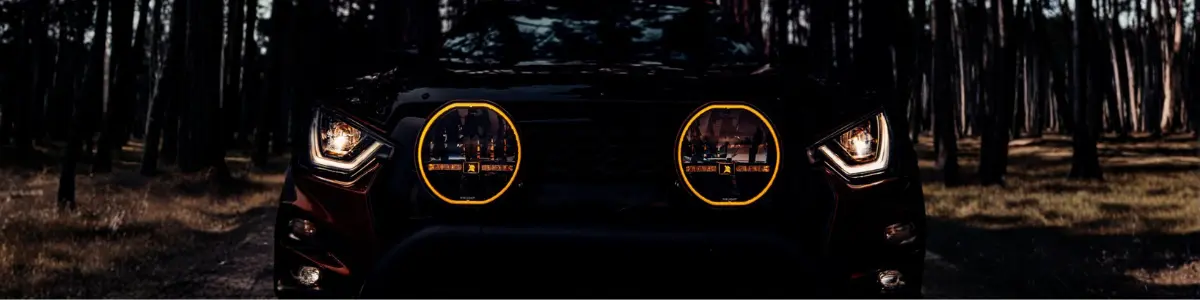
Driving light
10 products
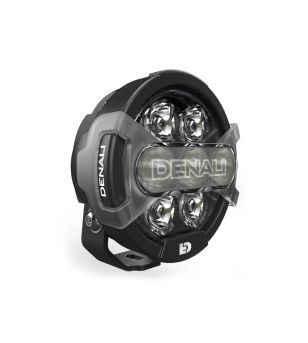
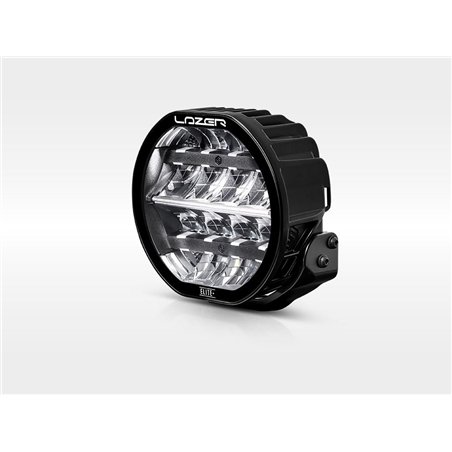
€429.71 (tax excl.)
€429.71 (tax excl.)
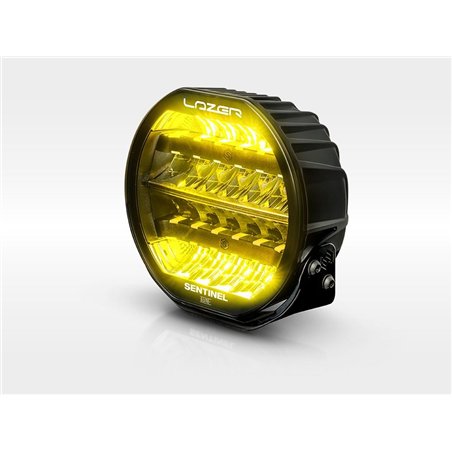
€520.62 (tax excl.)
€520.62 (tax excl.)
€247.89 (tax excl.)
€247.89 (tax excl.)
€247.89 (tax excl.)
€247.89 (tax excl.)
€305.74 (tax excl.)
€305.74 (tax excl.)
€285.08 (tax excl.)
€285.08 (tax excl.)
€623.93 (tax excl.)
€623.93 (tax excl.)
€1,471.03 (tax excl.)
€1,471.03 (tax excl.)
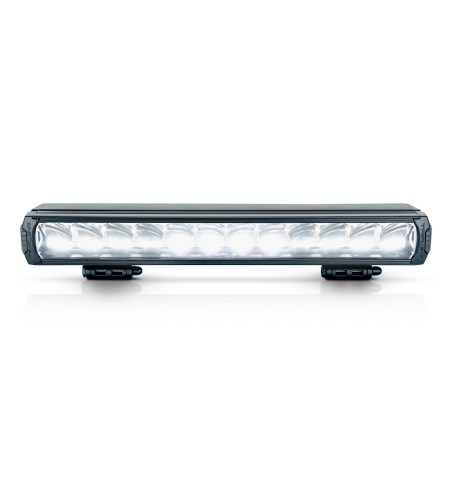
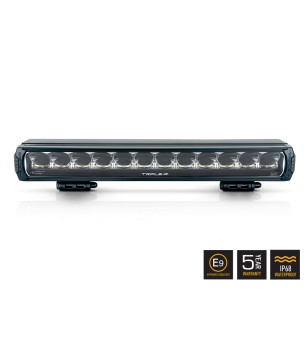
€793.35 (tax excl.)
€793.35 (tax excl.)
Choose and buy driving lights for maximum visibility in the dark
As a driver, you cannot always avoid driving in the dark. For some, this may mean early in the morning, for others in the evening, and for some even in the middle of the night. Whatever your situation, you have probably noticed that a little extra visibility can make a big difference. This is especially true on unlit roads, in rural areas or when driving off-road, where additional lighting can significantly improve visibility. For these situations, a driving light is the perfect solution, giving you better control over obstacles, bends and other challenging traffic situations.
However, choosing the right driving light can feel quite overwhelming, especially if you do not know what to look for. At Lights and Styling, you will find more than 500 driving lights, with specifications such as beam pattern, IP rating and colour temperature. Understanding these specifications will help you choose the perfect driving light for your vehicle and situation. How important each specification is ultimately depends on where and how you intend to drive.
For example, imagine fitting a driving light to a 4x4 that is used exclusively off-road. In that case, a high IP rating for protection against dust and water, combined with the right beam pattern, is essential for maintaining good visibility in challenging terrain. Official road approval is less important because the vehicle is not being driven on public roads. If, on the other hand, you mainly drive on public roads with a car, van or truck, an extremely high IP rating is less important, while an approved E-mark is essential for legal and safe use.
The different beam patterns available for driving lights
Not everyone uses a driving light in the same way. That is why driving lights are available with different beam patterns. The chosen beam pattern determines how wide and how far the light is projected. Below you will find the main beam patterns available for driving lights.
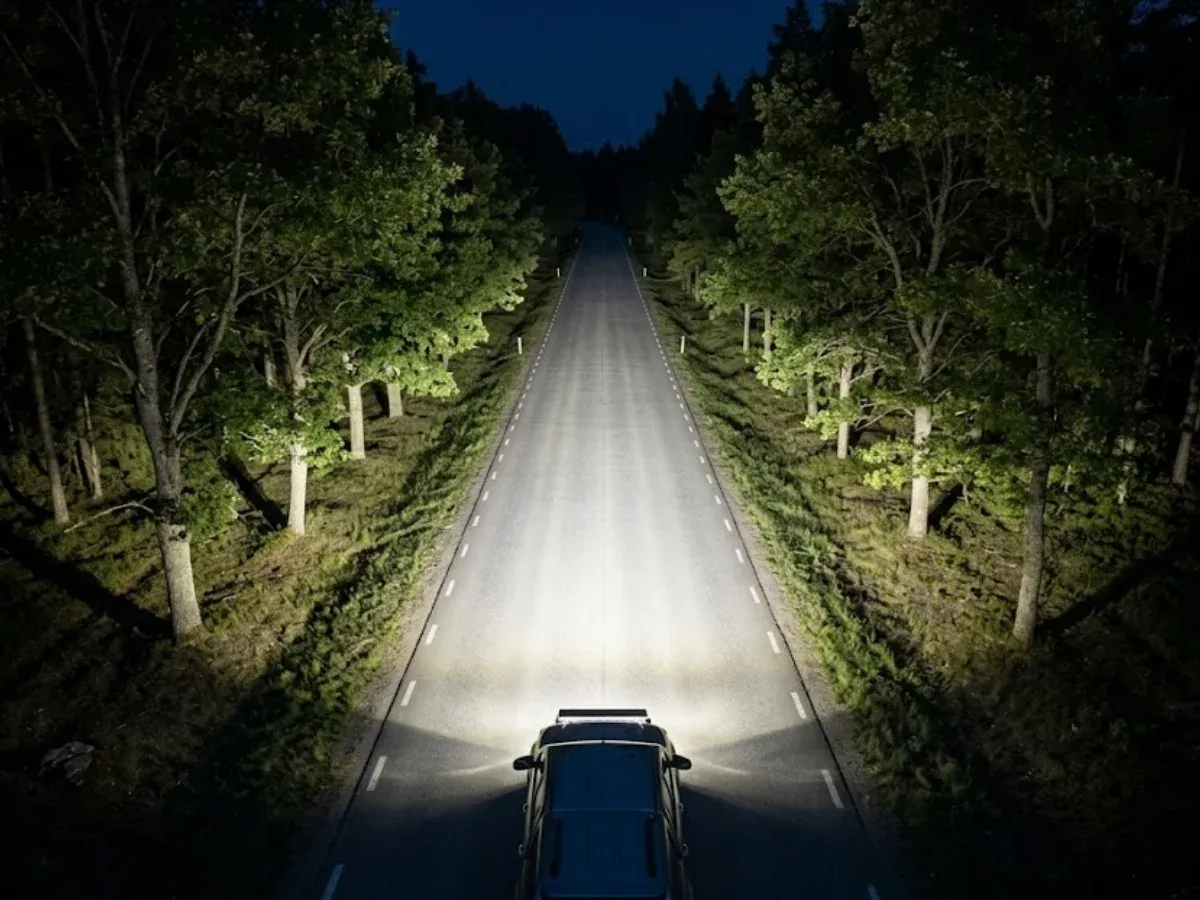
The most versatile driving light beam. It combines long-range visibility with a wide beam for excellent visibility both on and around the road.
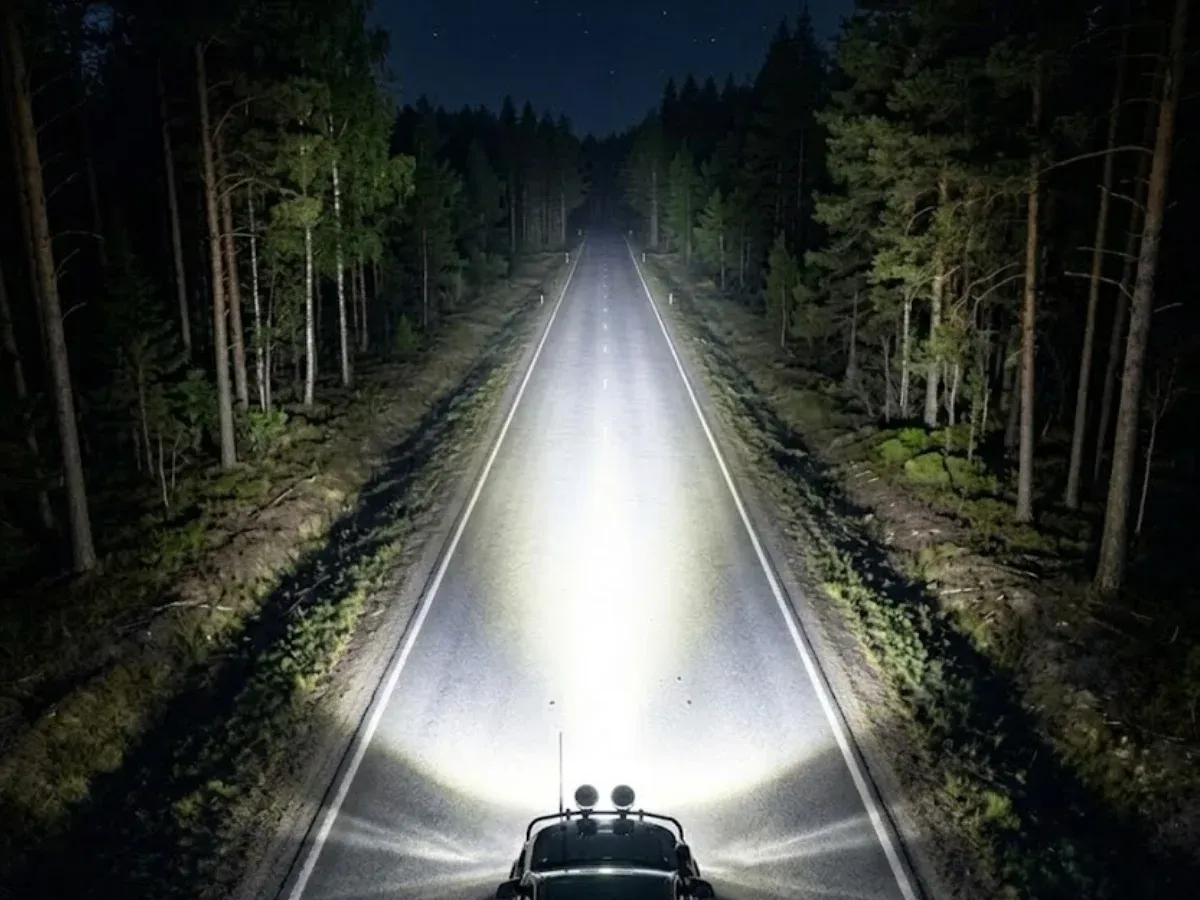
Designed for maximum distance, with a narrow and concentrated beam that can provide visibility up to 500+ metres ahead.
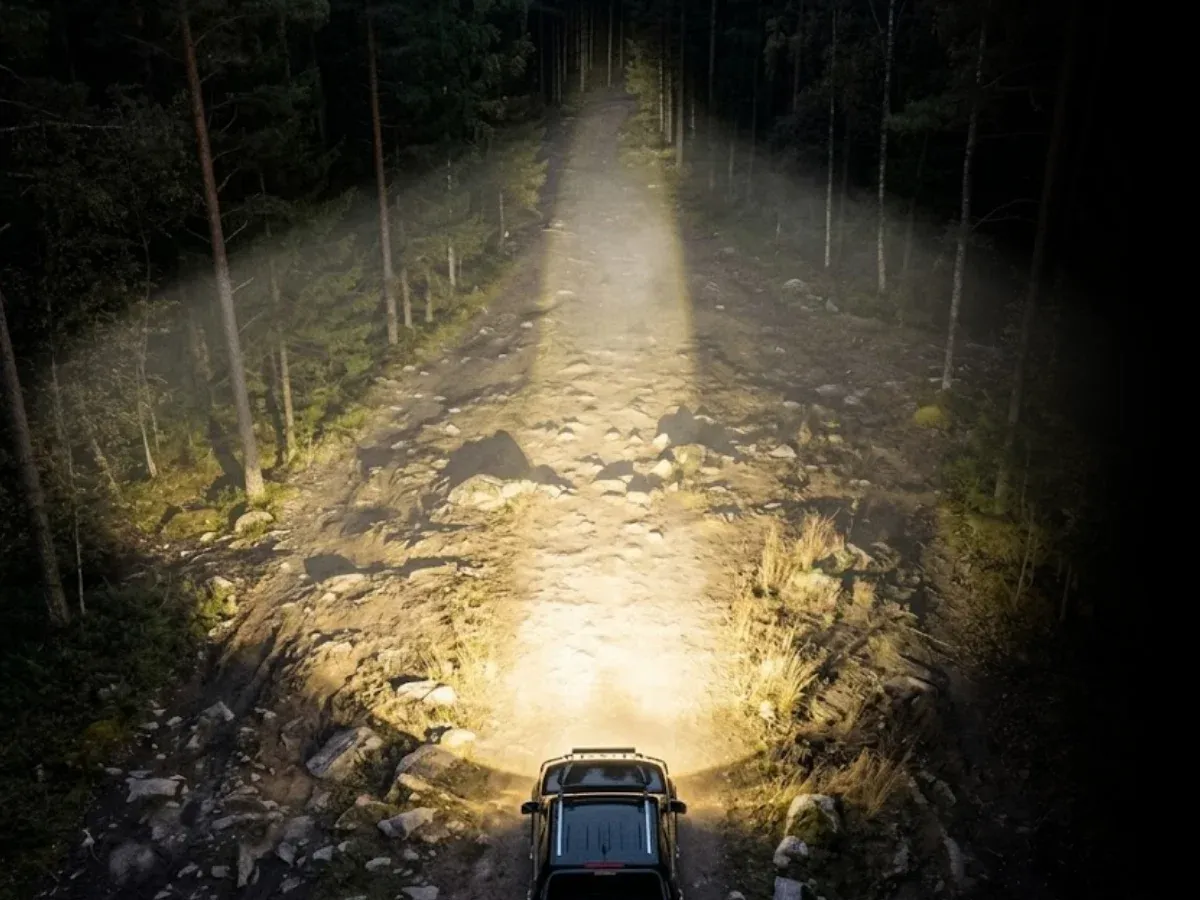
Spreads light widely across the surrounding area for excellent visibility alongside and around the vehicle. Ideal for situations where overall visibility is more important than distance.
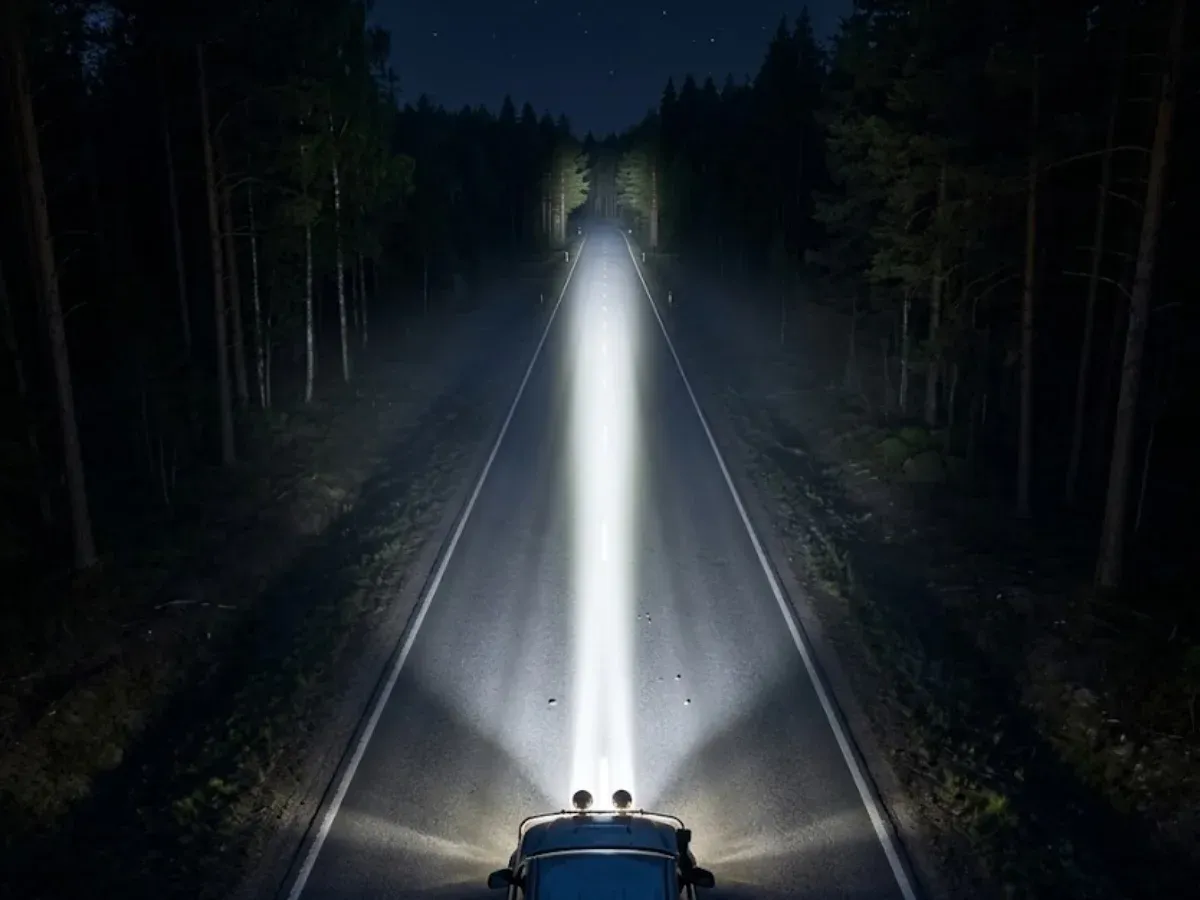
Developed for extreme distances. The highly concentrated beam directs as much light as possible efficiently straight ahead.
LED or halogen driving lights?
When choosing a driving light from our range, you will come across two main technologies: LED and halogen. Which technology is best for you depends on your preferences regarding performance, appearance and vehicle type.
LED driving lights
LED driving lights are by far the most popular choice today. This is mainly due to their high light output, long lifespan and efficiency. An LED driving light produces significantly more lumens per watt than a halogen version. The result? A powerful beam with relatively low energy consumption. In practice, a high-quality LED driving light will therefore almost always shine further and brighter than a comparable halogen driving light.
However, do not focus solely on the number of lumens. Actual performance depends just as much on the quality of the lens and reflector. These components determine how effectively the light is focused and distributed across the road. A high-quality LED driving light with fewer lumens can therefore provide a longer and more precise beam in practice than a cheaper model with a higher lumen rating.
In addition, virtually all LED driving lights in our range have an E-mark, making them suitable for use on public roads when correctly installed.
LED driving lightsHalogen driving lights
Halogen driving lights are the classic choice and are still appreciated by enthusiasts who prefer an authentic appearance. The light is warmer and has a yellowish colour, making it a great match for classic vehicles. When comparing halogen with LED, the lower light output and higher energy consumption of halogen are immediately noticeable. This makes halogen considerably less efficient, but it does have a practical advantage. The bulb produces more heat, which warms the lens. This helps prevent snow, ice and condensation from building up on the driving light.
Halogen driving lights are therefore particularly popular on classic cars, vintage trucks and other vehicles where maintaining the traditional appearance is important.
Halogen driving lightsChoosing between a driving light and an LED light bar
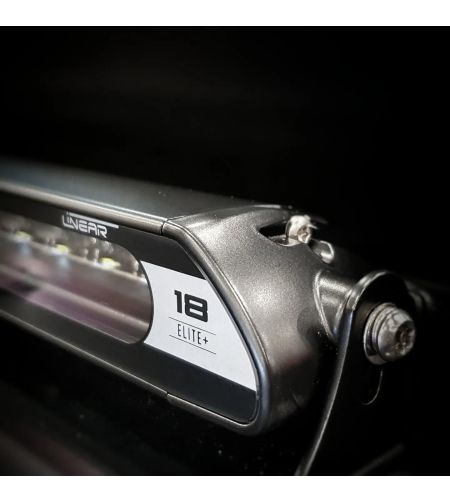
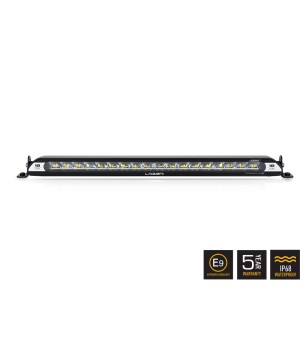
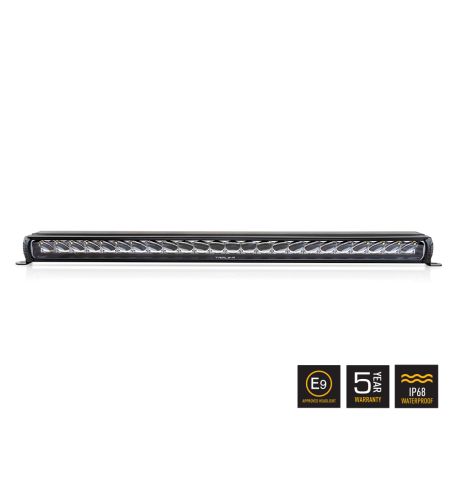
One question we get asked frequently is: "Should I choose individual driving lights or an LED light bar?" To understand this choice, it is important to know that an LED light bar is essentially a type of driving light as well. The difference is not in the function, but mainly in the shape and the way the light is distributed. While an LED light bar combines multiple LEDs in one long, compact housing, a traditional driving light typically has a round, square, rectangular or oval shape.
However, there are important differences in how they are used. Below, we explain the advantages of both options so you can easily determine which solution best suits your vehicle and situation.
Classic driving lights
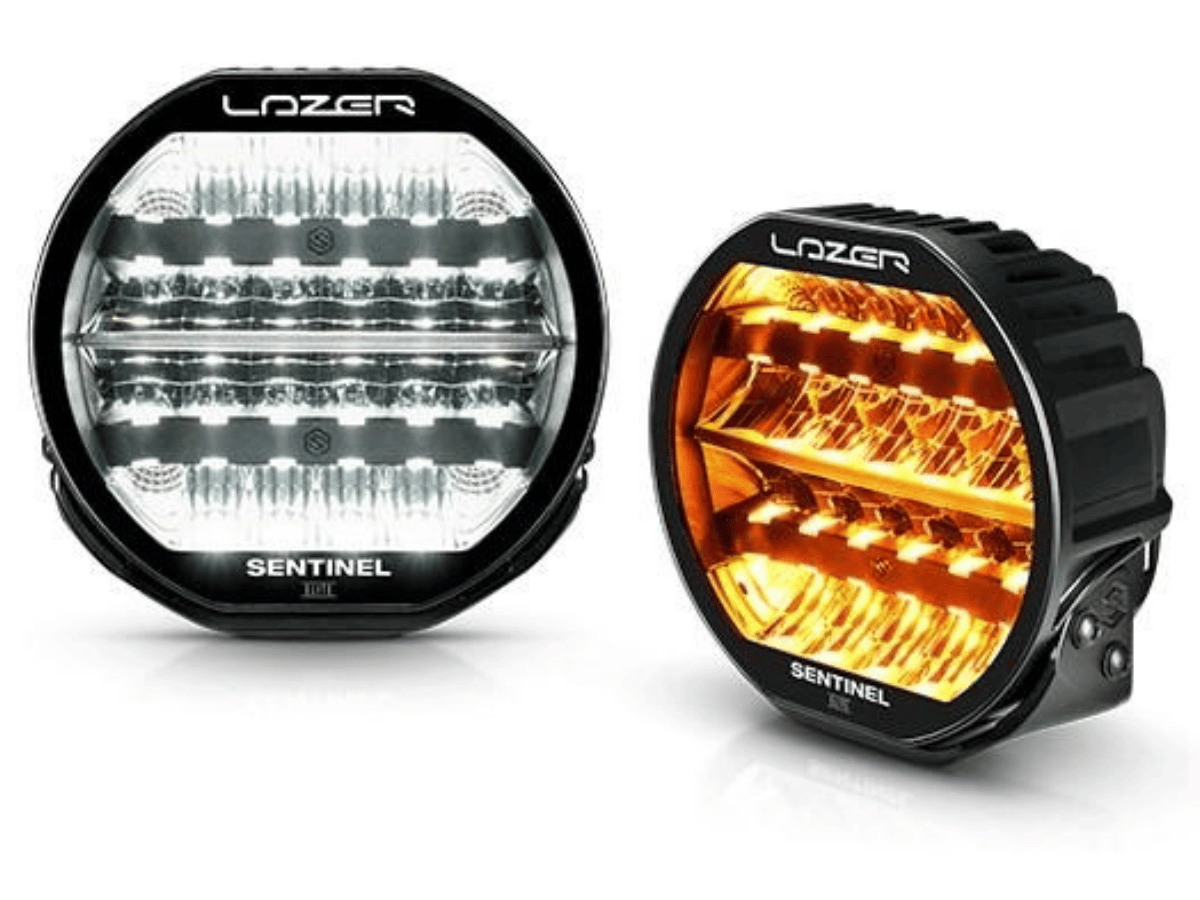
Classic driving lights are available in various shapes, including round, square, rectangular and oval. Because individual driving lights are more compact than an LED light bar, it is common to install several lights next to each other. The major advantage is that each light can be adjusted individually. This allows you to precisely align the beams, for example by overlapping multiple beams for greater range or spreading them out for wider illumination. It also gives you the flexibility to combine different beam patterns. For example, you can combine two Spot driving lights for maximum range with two Wide driving lights for better visibility along the roadside.
This versatility is one of the reasons classic driving lights are extremely popular across almost all types of vehicles, particularly trucks, 4x4s and off-road vehicles. In addition to their practical benefits, they also give the vehicle the distinctive, rugged appearance that many enthusiasts are looking for.
LED light bars
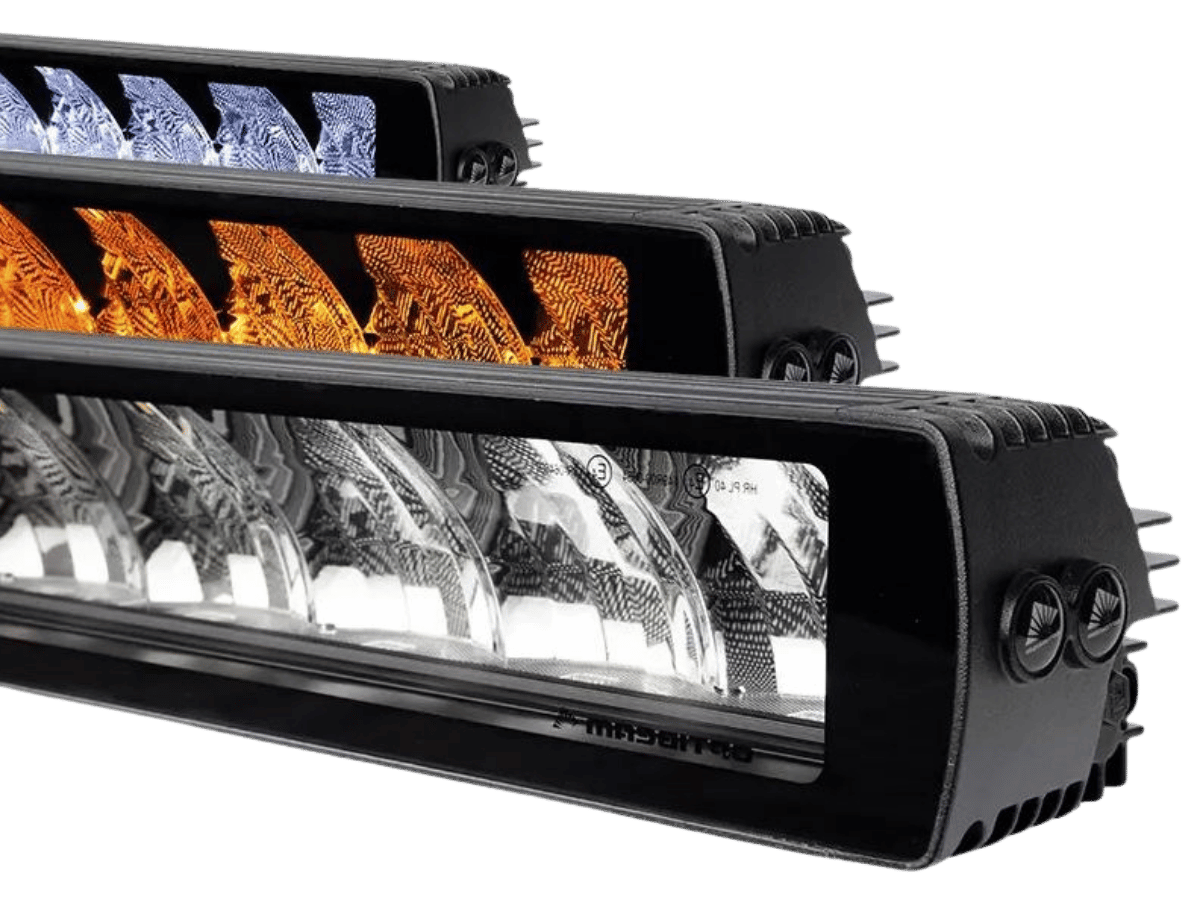
LED light bars have a sleek and modern appearance, allowing them to be seamlessly integrated into the grille, bumper or roof of a vehicle. This makes them ideal for anyone who wants to enjoy the benefits of additional lighting while maintaining a subtle appearance. Another major advantage of an LED light bar is its smooth and wide beam pattern. Because multiple LEDs are distributed across the entire width of the housing, the result is an even spread of light without obvious differences between individual beams. With multiple individual driving lights, the beam pattern can vary slightly more because each light is installed and adjusted separately. In addition, an LED light bar delivers all its light output from one compact housing. Whereas several classic driving lights are often required to create a similarly wide beam, an LED light bar provides this directly from a single unit.
This is why LED light bars are extremely popular on SUVs, 4x4 vehicles, commercial vehicles and modern off-road vehicles. They combine powerful light output with a sleek appearance, easy installation and wide, even illumination of both the road and the area surrounding the vehicle.
12V and 24V driving lights
Not every vehicle uses the same electrical system. Smaller vehicles such as passenger cars and light commercial vehicles almost always use a 12V system. Larger vehicles such as trucks, tractors and other heavy machinery, on the other hand, use a 24V system. It is important to take this into account when choosing a driving light, as a light with the wrong voltage may not function correctly or could even become damaged.
The good news is that many of our driving lights feature a smart multivoltage system. This means that the light automatically adapts to the voltage of your vehicle. You can therefore install this type of driving light on both a passenger car (12V) and a truck (24V) without any problems.
Not sure what voltage your vehicle uses, or are you looking for a specific halogen bulb with a fixed voltage? We clearly list the exact specifications for every product in our webshop, so you can always make the right choice.
Additional features such as position lights and flash functions
In addition to providing significantly more visibility on the road or in the field, modern driving lights often feature smart additional functions. Position lights and integrated flash functions are particularly popular. These features are mainly used to enhance the appearance of the vehicle, but they can also improve its visibility. Below, we have listed the two most common functions that you may find useful.
Driving lights with position lights
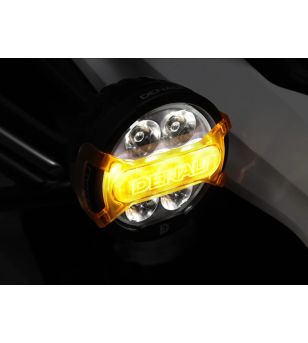
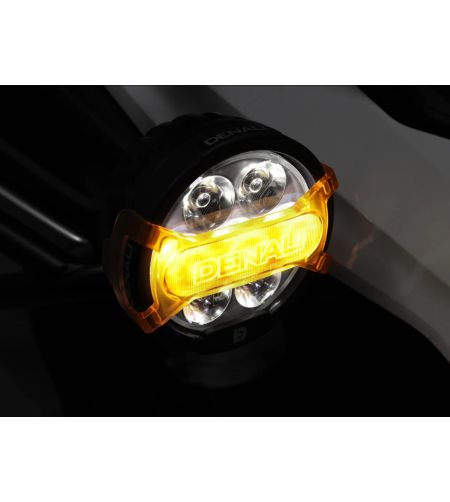
A position light, also known as a parking light, is an additional lighting function in which a separate LED ring or LED strip inside the driving light illuminates at a lower intensity. Its purpose is not to illuminate the road further ahead, but rather to make the vehicle more visible to other road users.
We offer several colour options, but many of our modern LED driving lights feature a dual-colour function. This allows you to choose between white or amber/orange position lighting. It is particularly popular among truck drivers, 4x4 enthusiasts and owners of show vehicles who want a sleek and distinctive appearance.
In addition, virtually all LED driving lights in our range have an E-mark, making them suitable for use on public roads when correctly installed.
Driving lights with position lightsDriving lights with flash functions
When a driving light has a flash function, also known as a strobe function, it can make all the LEDs in the light flash in a specific pattern. This can be useful when you want to stand out, but you should be aware that these functions cannot simply be used on public roads. In the Netherlands and many other European countries, certain flashing light functions are only permitted for specific vehicles with an official status, such as emergency services or certain work vehicles.
We offer driving lights with various numbers of flash patterns, including rapid flashing, pulsing and alternating left-to-right flashing. This feature is particularly popular for off-road vehicles, trucks, work vehicles and event vehicles.
Driving lights with flash functionIP rating for driving lights
Do you regularly drive in demanding conditions, such as on muddy tracks, through deep puddles or during heavy rain? If so, the IP rating of a driving light is an important specification to consider. The IP rating (Ingress Protection) indicates how well the housing and electronics of the driving light are protected against the ingress of dust, dirt and moisture.
The higher the two numbers after 'IP', the better the driving light is protected against external influences. With driving lights, you will mainly encounter the following ratings:
- IP67: Completely dust-tight and protected against temporary immersion in water (suitable for normal rain and splashing water).
- IP68: Highly water-resistant, including protection against prolonged immersion under specified conditions.
- IP69K: The highest protection rating. Fully protected against high-pressure cleaning and hot water.
Would you like to know exactly how these numbers work and what level of protection you need? Read our comprehensive guide to IP ratings.
The different colour temperatures of driving lights
In addition to the beam pattern and light output, colour temperature also plays an important role. The colour of the light is expressed in Kelvin (K) and determines not only the appearance of your vehicle, but also how comfortable the light is for your eyes in different weather conditions.
Warm white
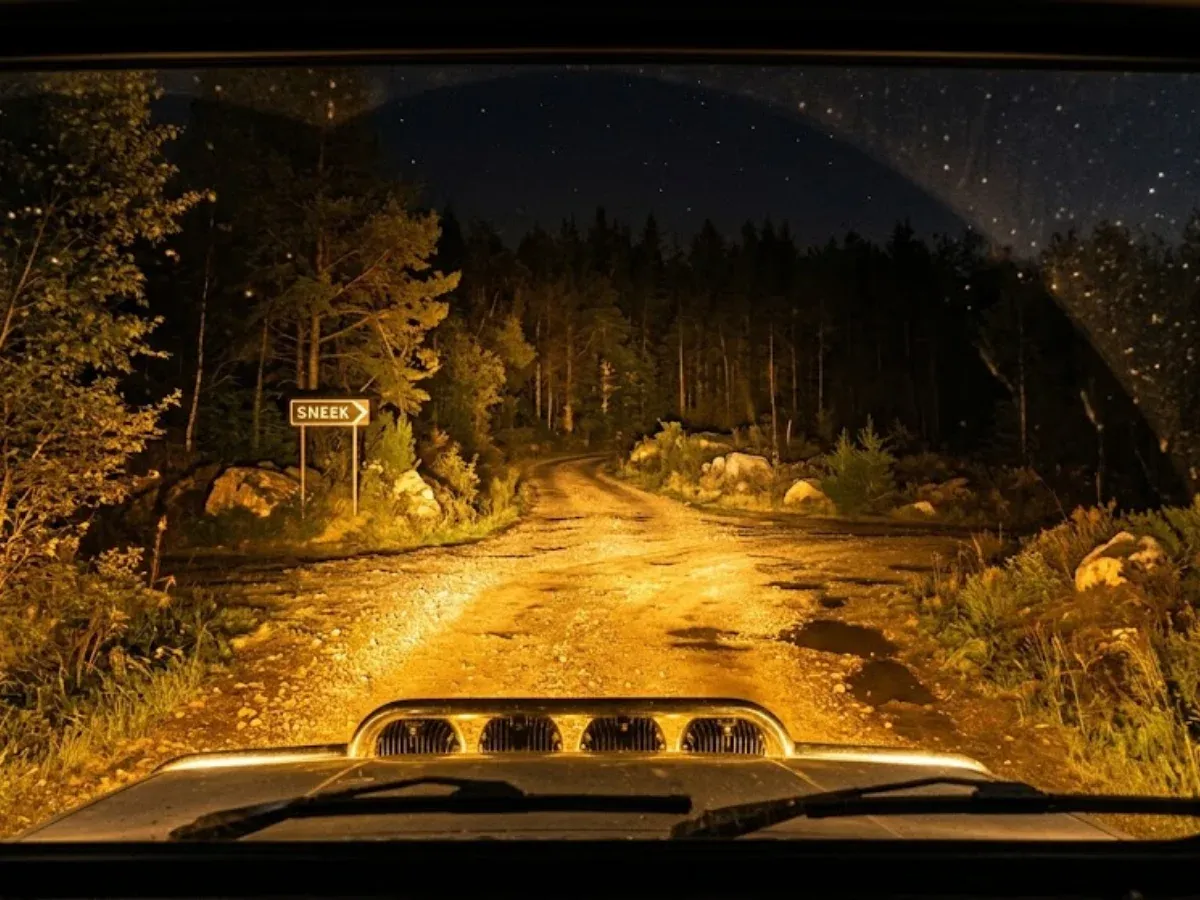
Driving lights in this category have a warm, yellowish glow. One major advantage of yellowish light is that it produces less glare and reflection in fog, rain, snow and dust. This can provide better visibility and overall awareness in poor weather conditions. This colour temperature is particularly common with halogen bulbs and is popular among off-road and rally enthusiasts.
Neutral white
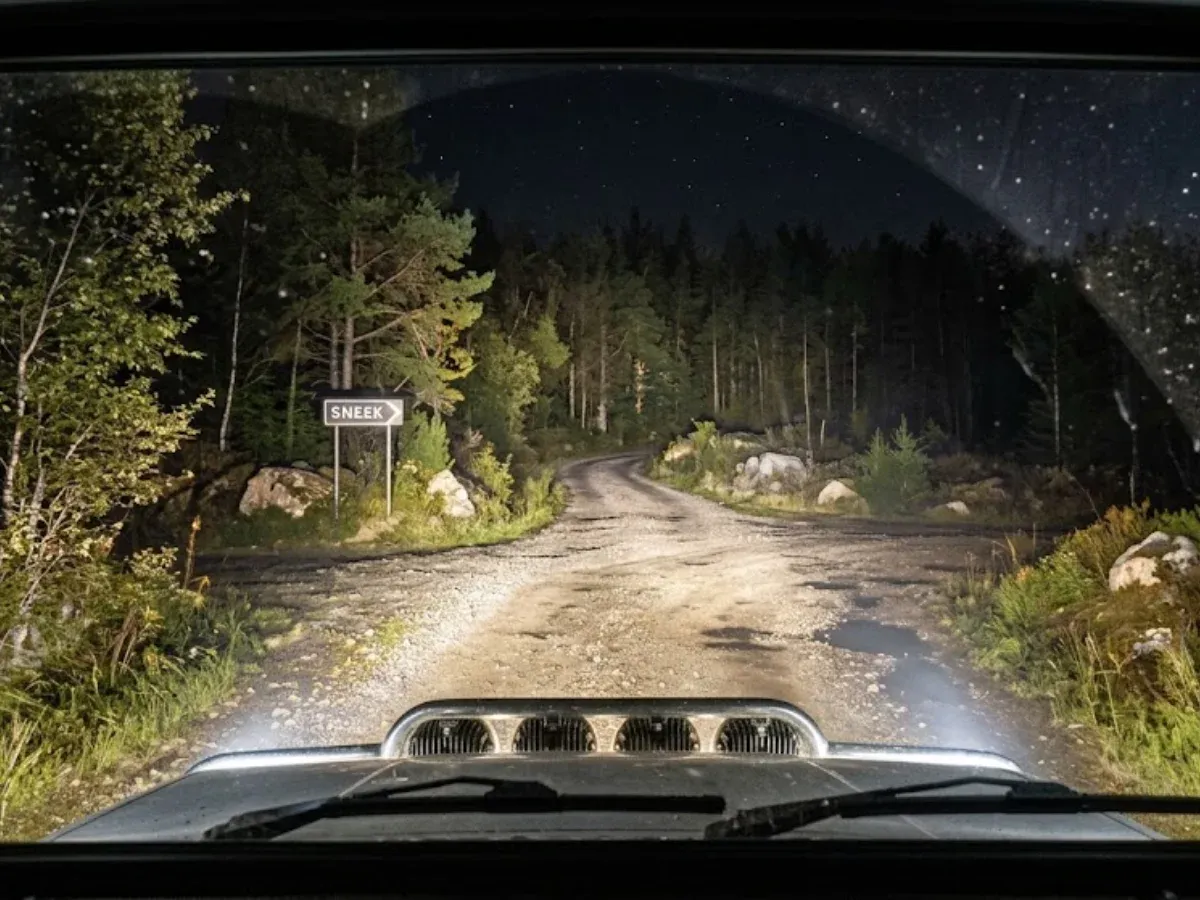
Lights with this colour temperature are closest to natural daylight. This creates a calm, natural light that is particularly comfortable for the eyes during long night drives. It can help reduce visual fatigue and provides excellent contrast on the road surface.
Daylight white
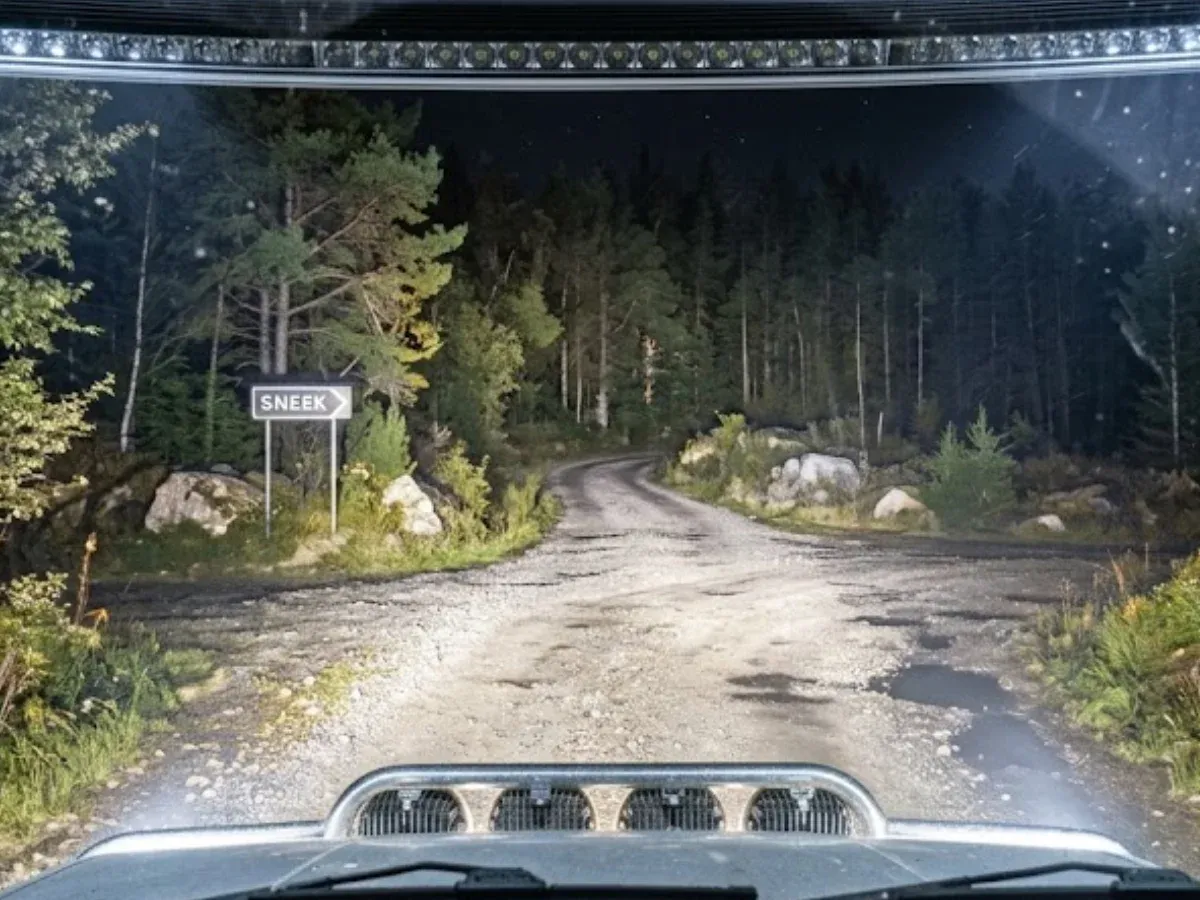
This is the standard colour temperature for modern LED driving lights. It provides a crisp, bright and modern appearance. This light colour combines excellent visibility with a contemporary look without feeling excessively bright or overly blue.
Cool white
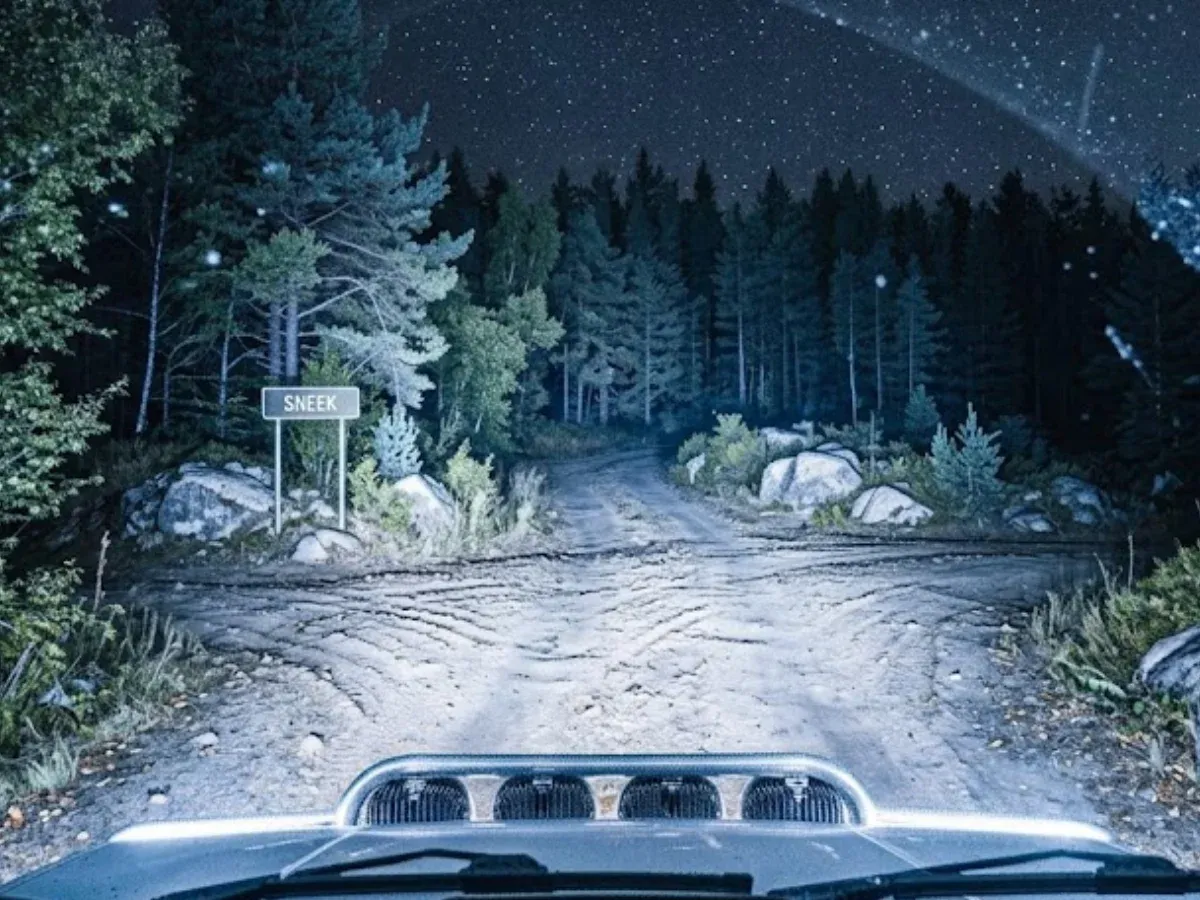
Light with a colour temperature of 6500K or higher has a distinct blue tint. This is mainly chosen for show vehicles or specific off-road applications where appearance is a priority. This is partly because this colour temperature is not permitted everywhere for use on public roads within Europe.
Installing a driving light
To get the most out of your driving lights, it is important to install them correctly on your vehicle. Both the electrical connection and legal requirements play an important role here.
Wiring, connectors and CAN bus
A driving light usually has bare wire ends or a specific connector, but it cannot simply be connected directly to your battery. Instead, you will need a relay, fuse and switch, or you can use a ready-made wiring kit for a much easier installation. Some modern vehicles may also require a CAN-bus solution to prevent interference with the vehicle's electrical system. Always check which connector is fitted to the driving light so that you can use a compatible wiring kit.
Reference number
Approved driving lights have a so-called reference number on the housing or lens, such as 12.5, 17.5, 25, 37.5 or 50. This number indicates the light intensity. In principle, the combined reference value of all main-beam headlights on your vehicle must not exceed 100 when driving on public roads.
Connection to the main beam
If you plan to use your driving lights on public roads, they must be connected to the main beam in accordance with the applicable regulations. This means that the driving lights must automatically switch off when you dip the main beam for oncoming traffic.
Driving lights for trucks, cars and off-road vehicles
Whether you drive a car, truck or off-road vehicle, driving lights can be used universally as long as the lighting is connected to the correct voltage. Since most of our range is suitable for both 12V and 24V systems, you can simply choose the model that best matches your preferences in terms of style and light output.
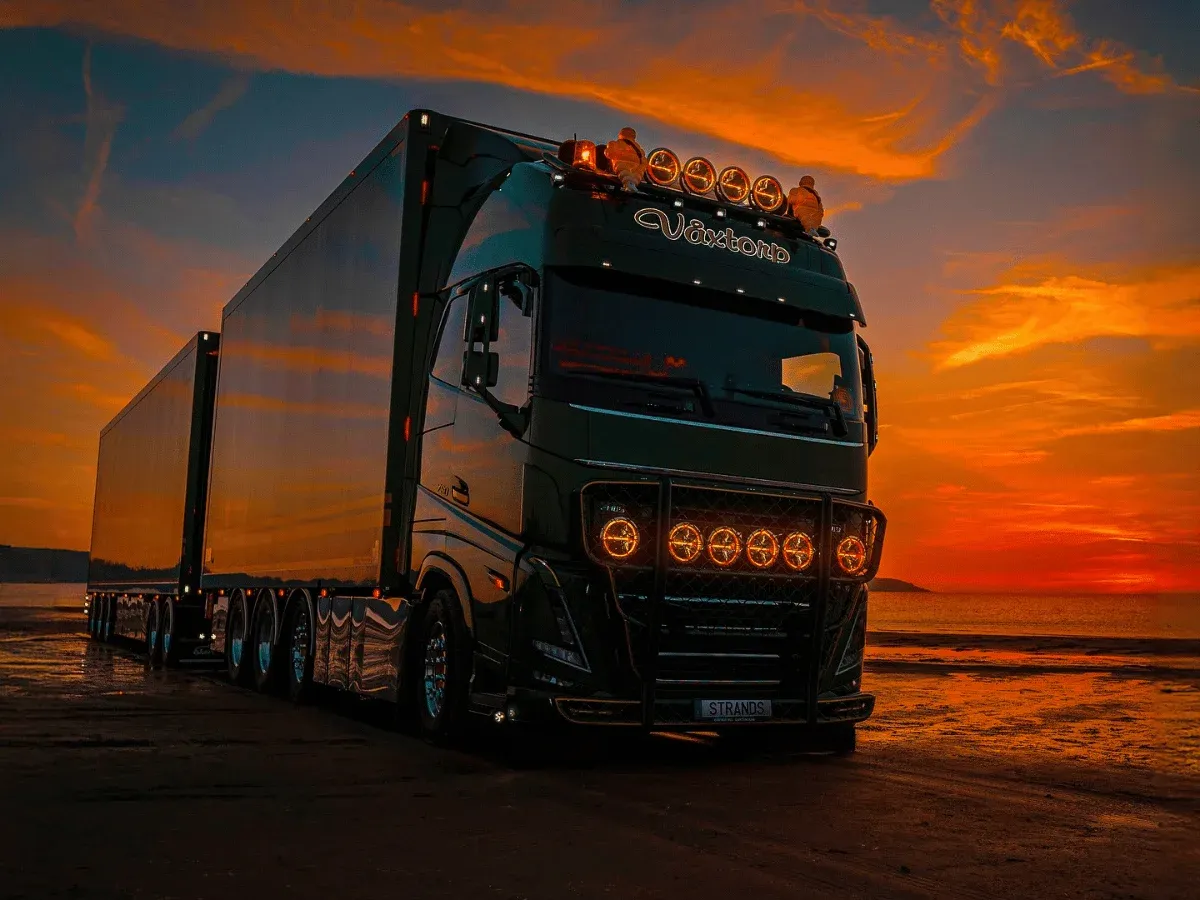
Driving lights for trucks
Driving lights are particularly popular on trucks, and it is easy to see why. Truck drivers cover a lot of kilometres on the road, and that does not stop when the sun goes down. At the same time, your truck deserves to look its best, and a stylish set of driving lights is an essential part of the look for many truck enthusiasts.
Driving lights for off-road vehicles
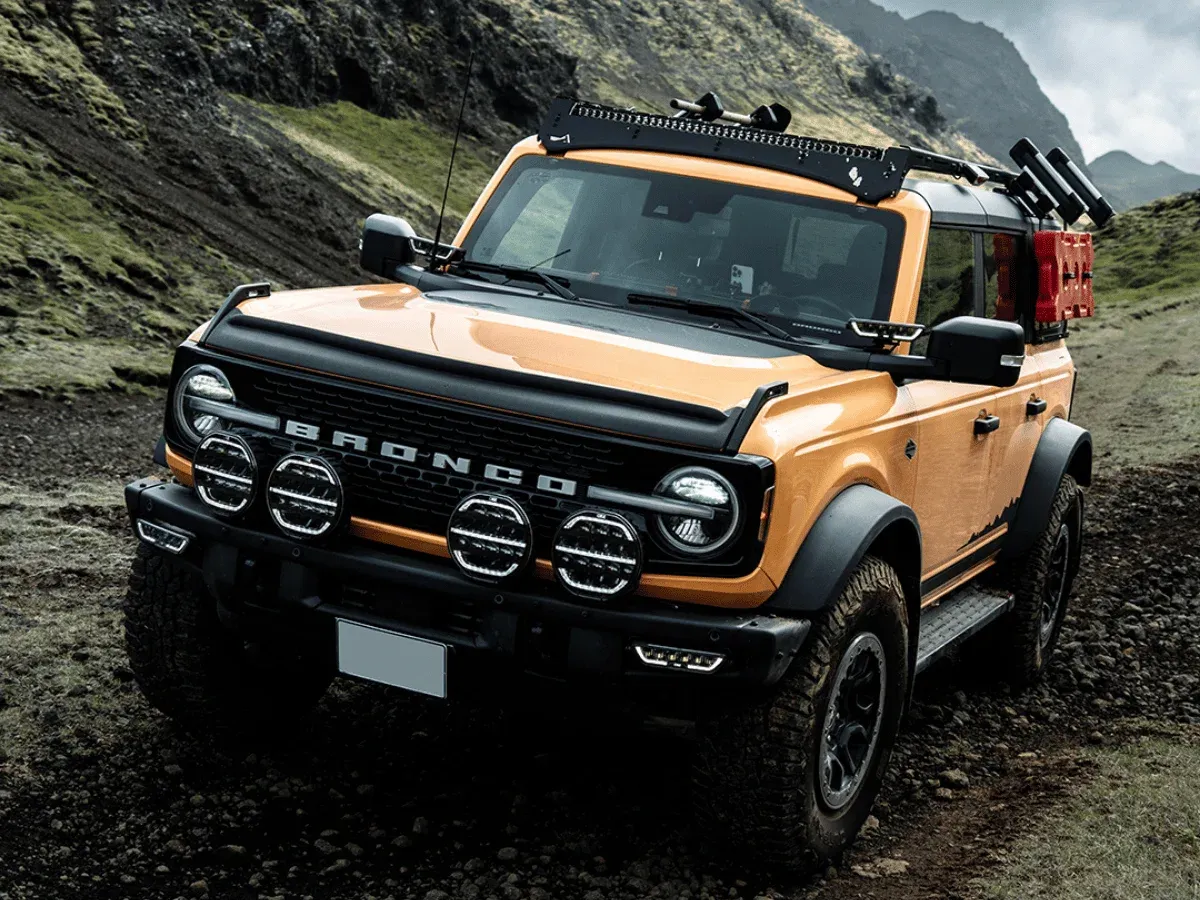
Driving lights are also extremely popular in the off-road world. They are an essential part of many off-road vehicles, including 4x4s, quads and rally vehicles.
For off-road applications, maximum light output often plays a greater role than road regulations. As a result, users frequently choose a very powerful model without road approval when maximum range is the priority.
Driving lights for commercial and work vehicles
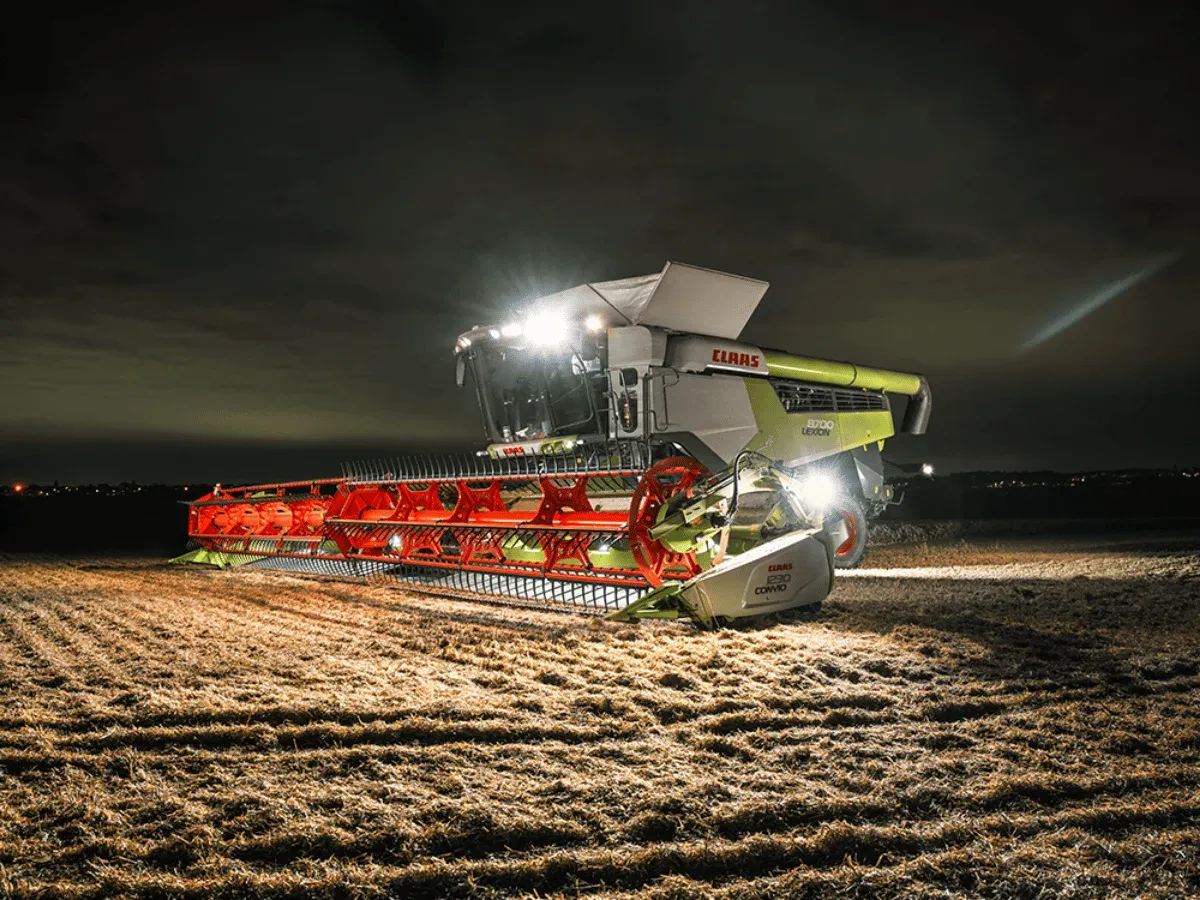
Driving lights are also becoming increasingly popular on commercial vehicles, agricultural machinery and other types of equipment. When work starts early in the morning, continues into the evening or takes place at night, a good driving light provides the visibility you need to work efficiently and safely.
Frequently asked questions about driving lights
This varies depending on the model and beam pattern. The most powerful models can achieve a range of more than 500 metres.
Many LED driving lights have an E-mark and are permitted for use on public roads when correctly installed and when they meet the applicable legal requirements.
This depends on the application. An LED light bar provides a wide and even beam, while individual driving lights often offer more focused long-range illumination.
This depends on your vehicle, how you use it and the beam pattern you want. For everyday driving, a Driving beam pattern is often a good choice, while Spot models are better suited to applications where maximum range is the priority.
Advice from Lights and Styling
Excited to get started, but still have some questions? Feel free to get in touch with us. We will be happy to help you find the right solution!
check_circle
check_circle